
led bathroom mirror manufacturer
Pest control spikes are a popular and effective solution for keeping unwanted critters away from your property. These spikes are usually made of durable materials such as plastic or metal and are designed to be placed on walls, fences, and other surfaces where pests may attempt to enter. One of the main benefits of using pest control spikes is that they provide a physical barrier that prevents pests from climbing or landing on surfaces. This can be particularly helpful for deterring birds, pigeons, and other animals that may cause damage to buildings and premises. Another advantage of using pest control spikes is that they are a humane way to deter pests. Unlike chemical pesticides or traps, spikes do not harm animals but simply discourage them from settling in unwanted areas. This makes them a popular choice for those who are concerned about the well-being of wildlife. Pest control spikes are also highly effective at keeping pests away over the long term. Once installed, they require minimal maintenance and can provide a lasting solution to pest problems pest control spikes . This can save you time and money in the long run by reducing the need for constant pest control treatments. In addition to their practical benefits, pest control spikes are also a discreet and unobtrusive option for keeping pests at bay. Unlike other solutions that may be unsightly or noisy, spikes blend seamlessly into the surrounding environment and go unnoticed by passersby. It is important to note that pest control spikes should be installed properly in order to be effective. It is recommended to consult with a professional pest control provider to ensure that the spikes are placed in the most strategic locations to deter pests effectively. Overall, pest control spikes are a practical, humane, and long-lasting solution for keeping unwanted critters away from your property. Whether you are dealing with birds, rodents, or other pests, these spikes can be an effective tool for maintaining a pest-free environment.
about
led bathroom mirror manufacturer
Replacing a Water Valve A Step-by-Step Guide Replacing a water valve can be a straightforward task if approached with the right tools and knowledge. Water valves are essential components of your plumbing system, controlling water flow to various fixtures such as sinks, toilets, and washing machines. Whether you’ve encountered a leak, need to upgrade to a more efficient valve, or are preparing for renovations, knowing how to replace a water valve is an invaluable skill for homeowners. Tools and Materials Required Before you begin, ensure you have the necessary tools and materials 1. Tools - Adjustable wrench - Pipe wrench - Screwdriver - Utility knife - Plumber's tape - Bucket - Towels or rags 2. Materials - New water valve (ensure it's the correct size and type) - Replacement washers (if applicable) - Pipe joint compound (optional) Step 1 Turn Off the Water Supply The first and most crucial step is to turn off the water supply to the valve you are replacing. Locate the main shut-off valve for your home and turn it off. If you’re replacing a specific fixture valve, look for the local shut-off valve beneath the sink or behind the toilet. Open a nearby faucet to allow any remaining water in the pipes to drain, minimizing spills during the replacement. Step 2 Drain and Remove the Old Valve replacing water valve Place a bucket under the valve to catch any residual water. Using the adjustable wrench, loosen the nuts securing the old valve to the pipes. If the valve has been in place for a long time, it may require extra force. Gently twist and pull to remove it once the nuts are loosened. If you encounter stubborn connections, avoid excessive force that could damage the pipes. Step 3 Prepare for Installation Before installing the new valve, inspect the pipe ends for any damage or wear. Use a utility knife to clean any rough edges. If you’re working with threaded pipes, wrap plumber's tape around the threads of the pipe to ensure a tight seal when you install the new valve. Step 4 Install the New Valve Position the new valve in place and hand-tighten the nuts. Use the adjustable wrench for a snug fit, but avoid overtightening, as this can damage the valve or pipes. Ensure it's installed in the correct direction, with the flow arrow on the valve indicating the direction of water flow. Step 5 Restore Water Supply and Check for Leaks After securing the new valve, turn the main water supply back on. Close any faucets you opened earlier and check for leaks around the new installation. If you notice any dripping, tighten the connections slightly until the leaks stop. Conclusion Replacing a water valve can be completed in a few simple steps and can save you from potential plumbing disasters in the future. Regular maintenance and timely replacements are key to a healthy plumbing system. Remember to follow local codes and consult professionals when in doubt. With practice, you can become adept at tackling similar home repair tasks, ensuring the longevity and efficiency of your plumbing system.
-

High quality industrial productsagement

High quality industrial products
View Details -

Meet the diverse needs of customers

Meet the diverse needs of customers
View Details -

Strict quality control

Strict quality control
View Details -

Top raw materials

Top raw materials
View Details -

Trusted supplier

Trusted supplier
View Details
Our application

news and information

Various Types of Flow Control Valves and Their Applications in Different Industries
Different Types of Flow Control Valves Flow control valves are essential components in various fluid
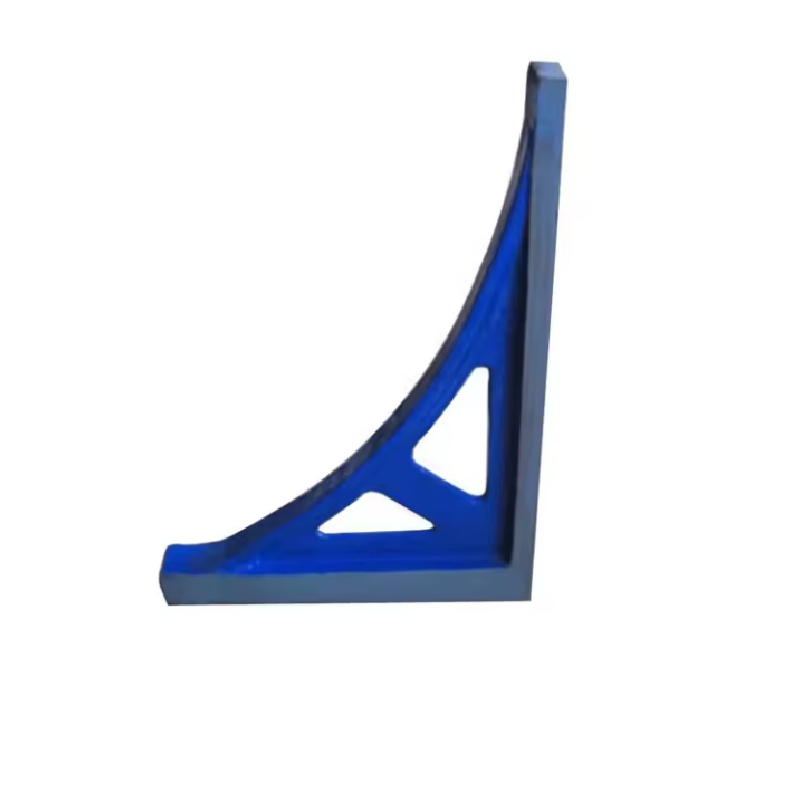
V Guide Rail - Precision Guiding Solutions for Enhanced Motion Control
The Importance of Guide Rails in Modern Infrastructure In the complex world of modern infrastructure
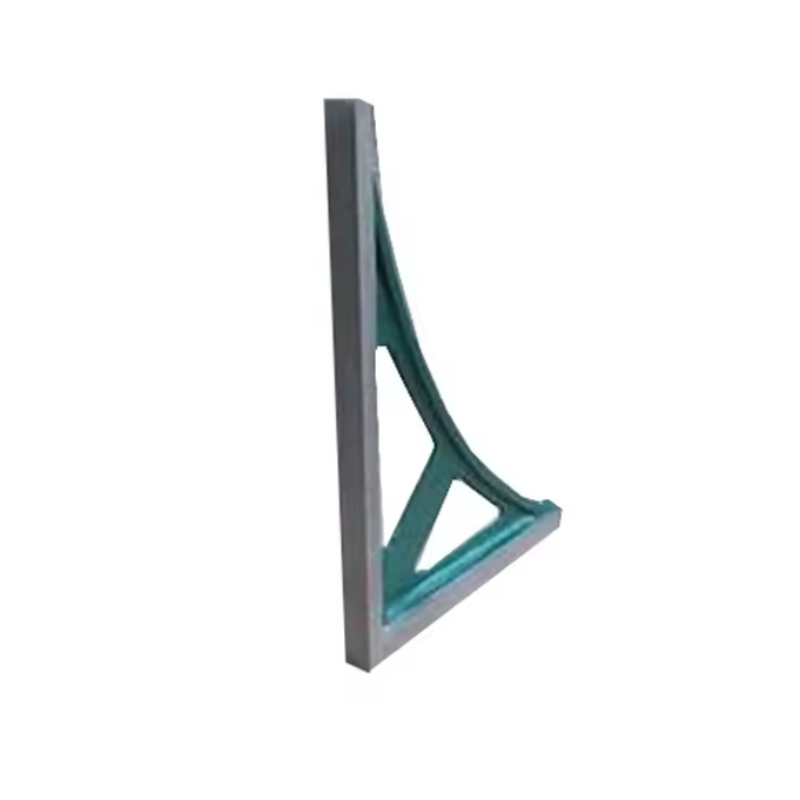
What is the Difference Between a Gate Valve and a Globe Valve_
When navigating the world of industrial valves, understanding the nuances between various types can
 English